The inspection is going fine until it isn't. The buyer's inspector is walking the side yard near the old detached garage, and something about the ground catches attention: a rusted pipe capped with a flat metal disc, half-buried under decades of mulch and forsythia growth. It looks like nothing. To an inspector trained to spot it, it's a fill pipe. And a fill pipe usually means a fuel oil tank buried somewhere beneath the lawn, one that predates the current owner and was never mentioned because nobody currently living in the house has ever thought about it.
This scene plays out often enough in older North Jersey homes that home inspectors, real estate attorneys, and tank-sweep contractors have a name for the pattern. In Butler, it's worth understanding before you list, not after a buyer's inspector finds it for you.
The Math Behind an Old Housing Stock
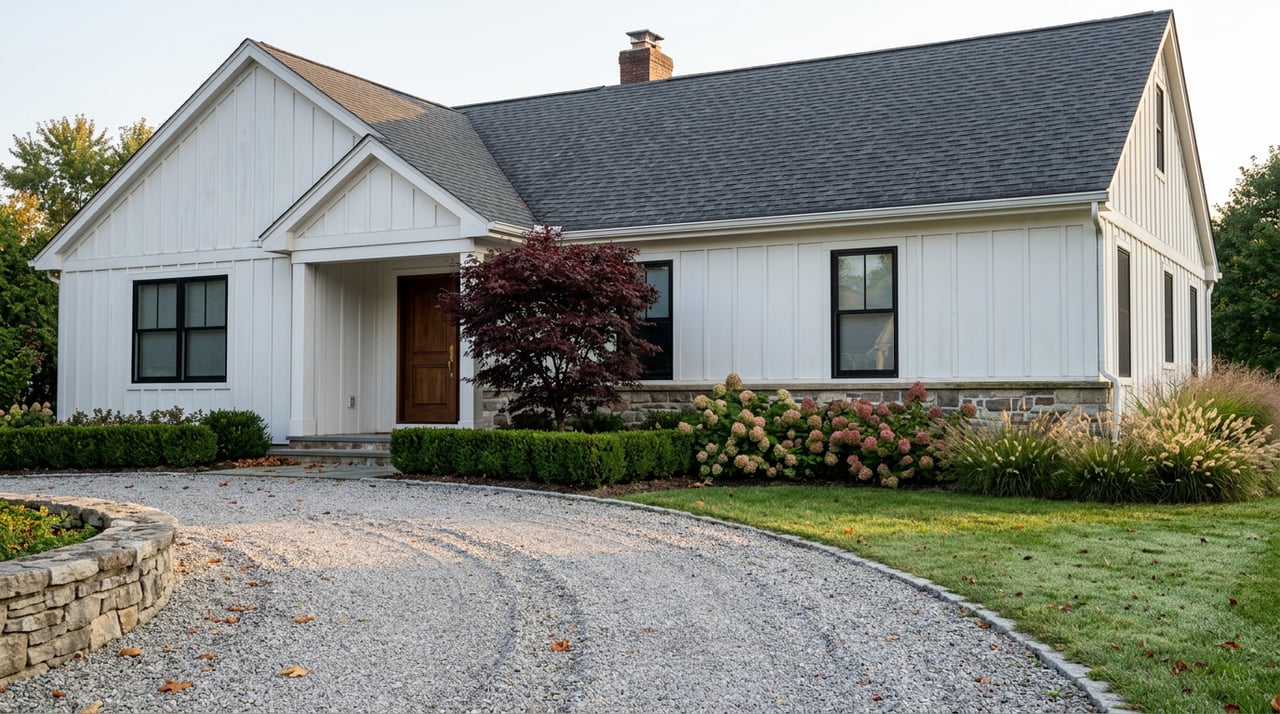
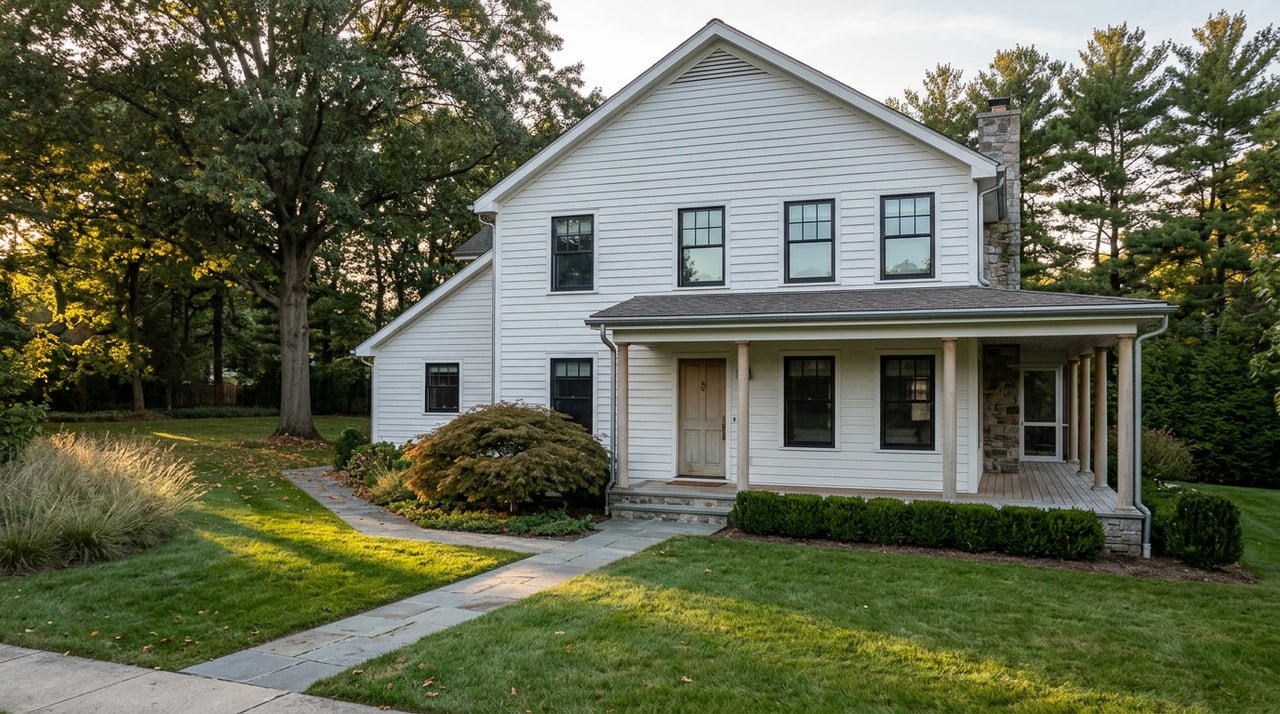
Butler's housing didn't happen all at once. According to NeighborhoodScout's analysis of the borough's housing stock, 41.51 percent of Butler's homes were built between the 1940s and 1960s, the era when returning GIs and their families filled in capes and ranches across the Northeast. Add the 22.18 percent built before 1939, and nearly two-thirds of Butler's housing predates 1970.
That number matters for a reason that has nothing to do with charm or resale value. Fuel oil was the default heating source across much of New Jersey for decades, and underground storage tanks serving that heat were commonly installed from the 1930s through the 1970s. When homeowners later converted to natural gas, above-ground equipment usually came out. The tank in the ground, buried and out of sight, often stayed exactly where it was.
Put those two facts together and Butler's age profile becomes a market fact, not a curiosity. A borough where most homes were built during the exact decades when oil heat was standard is a borough where an above-average share of properties may still be sitting on a tank nobody has thought about since the Nixon administration.
A Clean Records Search Doesn't Mean a Clean Yard
The instinct, understandably, is to check the state's records and move on. That instinct is where a lot of sellers get caught off guard.
Heating oil tanks serving one- or two-family homes and holding less than 2,000 gallons are generally exempt from New Jersey's underground storage tank registration requirements. In practice, that means the state may have no record of a tank even when one exists. A homeowner who pulls a clean search from the New Jersey Department of Environmental Protection hasn't ruled anything out. They've only confirmed that a small residential tank was never required to be registered in the first place.
Tank-sweep contractors who work across North Jersey put the scale of this in perspective: one widely cited estimate from the EPA puts the number of undiscovered underground tanks statewide at more than 100,000. Nobody knows exactly how many of those sit under Butler lawns specifically, but a borough where most homes were built in the right decades for oil heat is not a borough that gets to assume it's exempt from the pattern.
What Happens Once an Inspector Finds a Fill Pipe
If a tank surfaces during a buyer's inspection, the sequence is fairly predictable and rarely favors the seller.
The inspector flags visible evidence like fill caps, vent pipes, or old oil lines in the basement and recommends a professional sweep. The buyer's team brings in ground-penetrating radar or magnetic detection to confirm what's there, and sometimes requests soil testing before the deal moves forward. Then the buyer's lender gets involved, and many New Jersey mortgage lenders will not finalize financing on a property with a known underground tank until it's removed and the soil tests come back clean. What follows is negotiation: a price reduction, an escrow holdback for remediation, or in the tougher cases, a deal that quietly falls apart.
New Jersey's Seller's Property Condition Disclosure Statement makes this unavoidable once a tank is known. The form specifically asks about active tanks, inactive tanks, buried tanks, and previously removed tanks, and once a seller knows about one, silence is not an option. A fill pipe found during a home inspection can't be unseen, and from that point forward, the seller is negotiating from behind rather than setting the terms.
What It Actually Costs
The dollar figures vary by scope, but the pattern is consistent enough to plan around.
| Scenario | Typical cost range |
|---|---|
| Above-ground tank removal | $1,500 to $2,500 |
| Underground tank removal | $2,000 to $4,500 |
| Soil remediation, if contamination is found | $3,000 to $15,000 or more |
The full process, from the initial sweep to a permit and NJDEP closure documentation, typically takes four to eight weeks once a tank is confirmed, depending on the municipality's permitting timeline and whether contamination adds testing and cleanup to the schedule. That's a window that fits comfortably before a listing goes live. It's a much tighter, more expensive window when it has to happen inside an active contract with a buyer counting the days on their mortgage commitment.
The Timing Advantage Nobody Talks About
The tank itself usually isn't the real problem. Most tanks that get removed in New Jersey haven't leaked. The real cost is almost always about who controls the timeline and who picks the contractor.
A seller who orders a sweep before listing gets to choose their own contractor, schedule the work on their own calendar, and market the home with documentation in hand showing the tank was properly removed or that none was found. A seller who finds out mid-contract is negotiating with a buyer's attorney, a nervous lender, and a closing date that's already been set. Same tank, same removal cost, very different leverage.
Before You List: A Short Checklist
- Pull your deed and closing paperwork. Older sale records sometimes mention a tank, a removal, or a closure certificate from a previous transaction.
- Check with Butler's building department. Municipal permit records for tank installations and removals sometimes exist even when NJDEP has nothing on file.
- Ask about heating history. If the home was ever converted from oil to gas, someone made that decision, and there may be paperwork from the conversion.
- Review your homeowners insurance file. Some policies note the property's current or former heating fuel type.
- If none of that gives you a clear answer, a professional tank sweep before you list is the most reliable way to know what you're working with, and it puts you in control of the outcome instead of your buyer's inspector.
What Sellers Ask Us First
Do I have to remove an underground oil tank to sell my house in New Jersey? Legally, no. New Jersey doesn't require removal of a tank that isn't leaking. Practically, most buyers and nearly every mortgage lender will require documentation that a known tank has been removed and the soil tested clean before they'll move forward.
What if the home was converted to gas years ago and I have no idea what happened to the old tank? This is one of the most common situations sellers run into, and it's also one courts don't look kindly on if it comes up after closing. If you know a home was once oil-heated, you're expected to investigate before listing rather than claim ignorance on the disclosure form.
Does title insurance cover this? No. Environmental contamination, including oil tank leaks, is explicitly excluded from standard title policies. If a tank is discovered to have leaked after closing, the cost of remediation typically falls to the property owner regardless of when the leak actually started.
Butler's older housing stock is one of the things that makes the borough what it is: a walkable Main Street, established trees, homes with real bones. None of that is a liability. What catches sellers off guard isn't the age of the house, it's finding out about a buried tank on someone else's timeline instead of their own.
If you're weighing a sale of an older Butler home and want a straight read on what a tank search might mean for your specific property, The Weiss Group can walk through it with you before it becomes a surprise for anyone. Schedule a free consultation and get a plan in place while you're still the one setting the schedule.