If you are home shopping in Ringwood, one question can shape your whole search: do you want a lake community home or a non-lake home? That choice affects more than scenery. It can change your budget, your day-to-day lifestyle, your maintenance responsibilities, and even how you think about resale later. If you are trying to weigh both options with a clear head, this guide will help you sort through the tradeoffs and move forward with confidence. Let’s dive in.
Why this choice matters in Ringwood
Ringwood is not a town where major new construction is likely to reshape the housing landscape anytime soon. According to the borough’s housing plan, Ringwood sits entirely within the Highlands Preservation Area, and about 66.6% of its 18,230 acres are preserved. In practical terms, that means many buyers are choosing between existing neighborhood types rather than waiting for large new-build communities to arrive.
That makes the lake versus non-lake decision especially important. Official borough materials also note that Ringwood contains four sets of private lakes and associated lake communities, which gives buyers a very specific housing choice you do not see in every North Jersey town. In Ringwood, the neighborhood structure itself is often part of the purchase decision.
What a lake home really means
In Ringwood, a lake home is often about more than being near the water. Many lake communities are association-governed, which means access and participation can come with membership rules, dues, fees, and community policies. The lake lifestyle is tied to a system, not just a view.
For example, Cupsaw Lake says homeowners within its boundary may join CLIA, with annual membership capped and new members paying a one-time initiation fee. Its 2026 schedule lists $640 for a regular homeowner membership and a $500 initiation fee. Skyline Lakes states that membership is open to residents of the Skyline Lakes area, with 2026 family renewal pricing at $490 plus a $200 new-member fee.
Erskine Lakes also describes itself as a private lake community with different membership types, including regular, provisional, and tenant memberships. It also notes a waiting list for new provisional membership. That detail matters because even within Ringwood, not every lake community works exactly the same way.
Lake living can include shared amenities
For many buyers, the biggest appeal of a lake home is not just the house. It is the access to a more amenity-driven lifestyle. Cupsaw advertises clubhouse and beach rentals for members, while Skyline highlights summer swimming and year-round events.
If that sounds appealing, a lake home may offer a sense of structure and community that fits your goals. If you prefer a simpler ownership experience, though, it is worth remembering that these benefits usually come with recurring payments, membership rules, and shared governance.
Lake communities come with added structure
This is where your personal comfort level matters. Some buyers love a community with badges, organized amenities, rules, and clear systems. Others would rather avoid extra layers of oversight and recurring obligations.
A lake home in Ringwood may be a strong fit if you want water access to be part of your routine and you value the social side of community life. If the lake would only be an occasional bonus, the added structure may feel less worthwhile over time.
What non-lake homes often offer
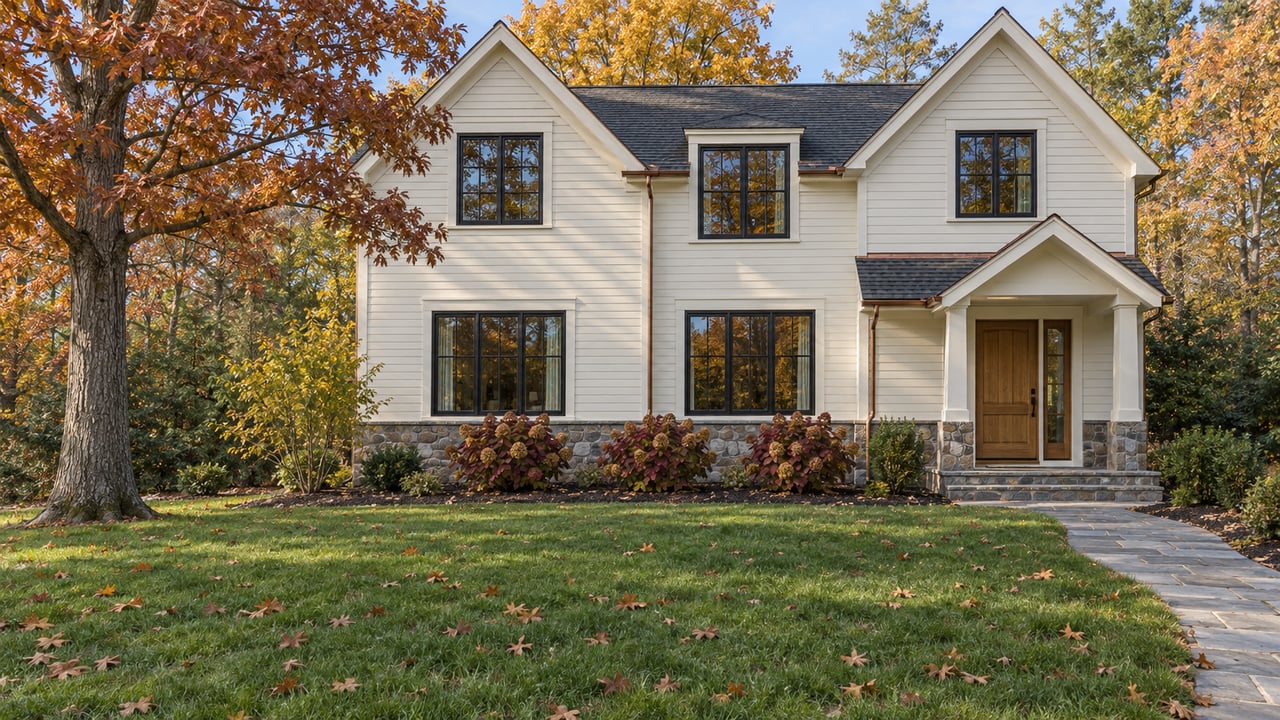
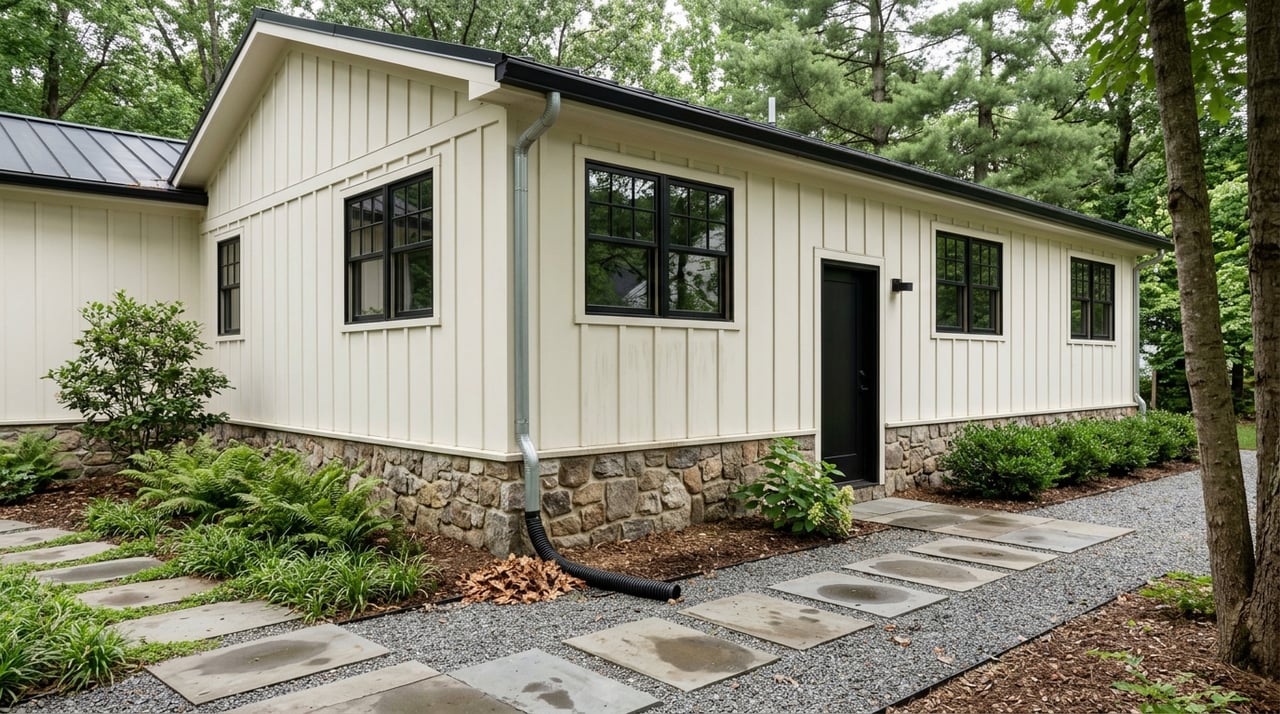
A non-lake home in Ringwood can still give you the wooded, outdoors-oriented lifestyle many buyers want. It just tends to do so without private-lake membership obligations. For some households, that makes the choice much simpler.
Ringwood’s zoning framework also helps explain a key difference in feel. The borough says the R-20 zone contains many of the historic lake communities and has a minimum lot area of 20,000 square feet, while R-40 requires 40,000 square feet. In some R-40V and R-80V areas, lot requirements can be even larger when public water is unavailable or slopes are steep.
This suggests a practical pattern. Lake neighborhoods are often the more compact option, while non-lake areas generally offer more lot area. That can translate into more yard space, more privacy, and a different relationship to the land around the home.
Non-lake does not mean giving up outdoor access
It is easy to assume that choosing a non-lake home means missing out on Ringwood’s lifestyle. In reality, Ringwood still offers strong public recreation options. Ringwood State Park includes hiking and mountain biking trails along with public picnic facilities, and borough recreation materials also highlight amenities like the dog park.
So if your goal is to enjoy the outdoors without joining a private lake association, a non-lake home may still check a lot of boxes. You may not have private water access, but you can still enjoy the natural setting that makes Ringwood appealing in the first place.
Budget differences to think through
When buyers compare lake and non-lake homes, list price is only part of the picture. With a lake property, you may also need to account for annual dues, initiation fees, and any future community-related costs tied to membership. Those expenses should be part of your monthly and yearly housing budget, not an afterthought.
That does not automatically make a lake home the more expensive or less attractive choice. It just means you need a full-picture budget. If the lifestyle benefit is meaningful to you, those added costs may feel worthwhile.
For a non-lake home, the cost structure may feel more straightforward because you are generally not weighing private-lake membership fees. At the same time, larger lots and wooded settings can bring their own maintenance considerations, so the simpler governance model does not always mean a completely simpler ownership experience.
Permits, docks, and property changes
If you are drawn to a home with shoreline or dock access, due diligence becomes especially important. Ringwood states that new docks or dock repairs require a construction permit, a lake-association approval letter, and compliance with NJDEP freshwater wetlands and flood-hazard rules. The borough also notes that in the R-20 lake zone, dock setbacks must be 15 feet from side-yard lines.
That means lake properties may involve more planning if you expect to make exterior improvements. If part of your vision includes changing a dock, adjusting shoreline features, or taking on other water-related work, it is smart to understand that process early. A house may fit your needs today, but your long-term plans for the property also matter.
Non-lake homes are not free from site-related limitations either. In Ringwood, slopes, drainage, lot conditions, and utility availability can all affect what is practical on a property. The specific issue may differ, but due diligence matters on both sides of the lake versus non-lake decision.
Flood and drainage review matters everywhere
Whether you buy in a lake community or a wooded non-lake section of town, water should stay on your radar. Ringwood’s stormwater guidance notes that runoff from lawns and streets flows into local waterways. The borough also provides a flood-maps page where properties can be checked by address for flood hazard location.
This is why buyers should look closely at drainage, slope, and flood context before moving ahead. A lake home may raise obvious questions about shoreline and water access, but non-lake homes can also be affected by terrain and runoff. In Ringwood, this is not a niche issue. It is a core part of smart home shopping.
Resale can differ by buyer pool
From a resale perspective, lake homes are often a more specialized product. Based on the membership structures and rules in Ringwood’s lake communities, the likely buyer is someone who actively wants the lake lifestyle and accepts dues, rules, and access requirements. That can narrow the audience, even while making the home more compelling to the right person.
Non-lake homes may appeal to a broader range of buyers because they do not usually require the same recurring obligations or community participation. That broader appeal can matter if flexibility is a priority for you. Still, resale in Ringwood also depends on property condition, lot characteristics, terrain, and location within town, so the lake question is only one part of the picture.
How to decide which fits you best
If you are stuck between the two options, start by focusing on your real habits and priorities rather than the idea of a lifestyle. A lake home tends to work best when the amenity will be part of your regular life, not just a nice thought on paper. A non-lake home often makes more sense when you want fewer shared rules and more emphasis on yard space, privacy, or flexibility.
Here are a few smart questions to ask yourself before touring homes in Ringwood:
- Will you use the lake regularly or only occasionally?
- Are annual dues and a possible initiation fee comfortable for your budget?
- How do you feel about badges, rules, guest limits, and approval processes?
- Do you expect to build or modify exterior features such as a dock, deck, or shoreline improvement?
- Is your top priority lifestyle value now, or broader resale appeal later?
If you can answer those questions honestly, your search usually becomes much clearer. In many cases, the right choice is less about the house itself and more about the ownership model you want to live with.
The Ringwood choice in simple terms
The clearest way to separate lake and non-lake homes in Ringwood is this: do you want a managed, amenity-driven community with water access and recurring obligations, or do you want a simpler ownership model with fewer shared rules and more yard-oriented flexibility? Neither answer is universally better. The right one depends on how you want to live.
In a town shaped by preserved land, established neighborhoods, and strong outdoor appeal, both paths can make sense. The key is making sure the property fits your lifestyle, your budget, and your comfort with the responsibilities that come with it.
If you want help sorting through Ringwood neighborhoods, comparing property types, or narrowing your search with a calm, local strategy, The Weiss Group is here to help.
FAQs
What is the main difference between lake and non-lake homes in Ringwood, NJ?
- Lake homes are often tied to private, association-governed communities with possible dues, fees, rules, and amenity access, while non-lake homes typically offer a simpler ownership model and often more lot space.
Do Ringwood, NJ lake communities charge membership fees?
- Yes. For example, Cupsaw Lake and Skyline Lakes both publish annual membership fees and one-time initiation fees for new members, and membership structure can vary by community.
Are non-lake homes in Ringwood, NJ still close to outdoor recreation?
- Yes. Ringwood offers public outdoor amenities including Ringwood State Park trails, mountain biking, picnic facilities, and other borough recreation features.
Do docks in Ringwood, NJ require permits?
- Yes. Ringwood states that new docks or dock repairs require a construction permit, a lake-association approval letter, and compliance with NJDEP freshwater wetlands and flood-hazard rules.
Should buyers check flood risk for homes in Ringwood, NJ?
- Yes. The borough provides flood-map tools by address, and buyers should review flood hazard, drainage, and slope conditions for both lake and non-lake properties.
Are lake homes in Ringwood, NJ harder to resell?
- Lake homes may appeal to a narrower buyer pool because buyers must also want the lake lifestyle and accept community rules and fees, while non-lake homes may have broader appeal.